Cities move fast. People plan their days in fragments, stacked between work, family, commuting, and rest. Urban gatherings sit inside that compressed schedule. Their success often depends less on promotion and more on timing clarity. When people know exactly when something begins, they are more likely to show up. When time feels vague, even interesting events slip away.
Checking the time in Singapore is a daily habit for many residents, especially in a place where punctuality shapes transport, business, and social life. Event countdowns tap into that same habit. They turn a future activity into a visible moment approaching in real time. This shift changes how people decide.
Time Awareness as a Social Signal
Time is not just a measurement. In cities, it functions as a social signal. When an event communicates its timing clearly, it signals respect for the audience. People feel that the organisers understand their schedules and constraints. This builds quiet trust before anyone even arrives.
Urban residents often scan event details quickly. They want to know whether something fits between dinner plans or after work travel. A countdown helps answer that question without effort. It shows that the event is not drifting or flexible, but anchored to a specific shared moment. That clarity makes attendance feel more deliberate and worthwhile.
Places that already operate on shared timing provide a useful comparison. Consider hawker centres. Regulars know when crowds peak and when tables free up. That shared understanding shapes behaviour. Event countdowns create a similar shared expectation, even among people who have never attended before.
Why Countdowns Change Decisions
Many attendance decisions are made late. People often intend to go but delay committing. Without a clear sense of time passing, the decision remains open. Countdowns compress that window. They move an event from intention into action.
Seeing minutes or hours tick down encourages mental planning. People start calculating travel time, energy levels, and how long they can stay. This planning stage is critical. Once someone imagines the logistics, attending feels easier. The barrier drops.
A simple countdown timer placed near event details can support this shift. It does not need to persuade. It only needs to be accurate and visible. When time becomes concrete, hesitation often fades.
The Psychology Behind Waiting
Waiting feels longer when the end point is unclear. This is a well documented psychological response. Uncertainty stretches perceived time and increases stress. In busy cities, that stress discourages participation.
Countdowns reverse this effect. They frame waiting as finite and predictable. Knowing that something begins in twenty minutes feels different from knowing it starts sometime soon. The mind relaxes. Commitment feels safer.
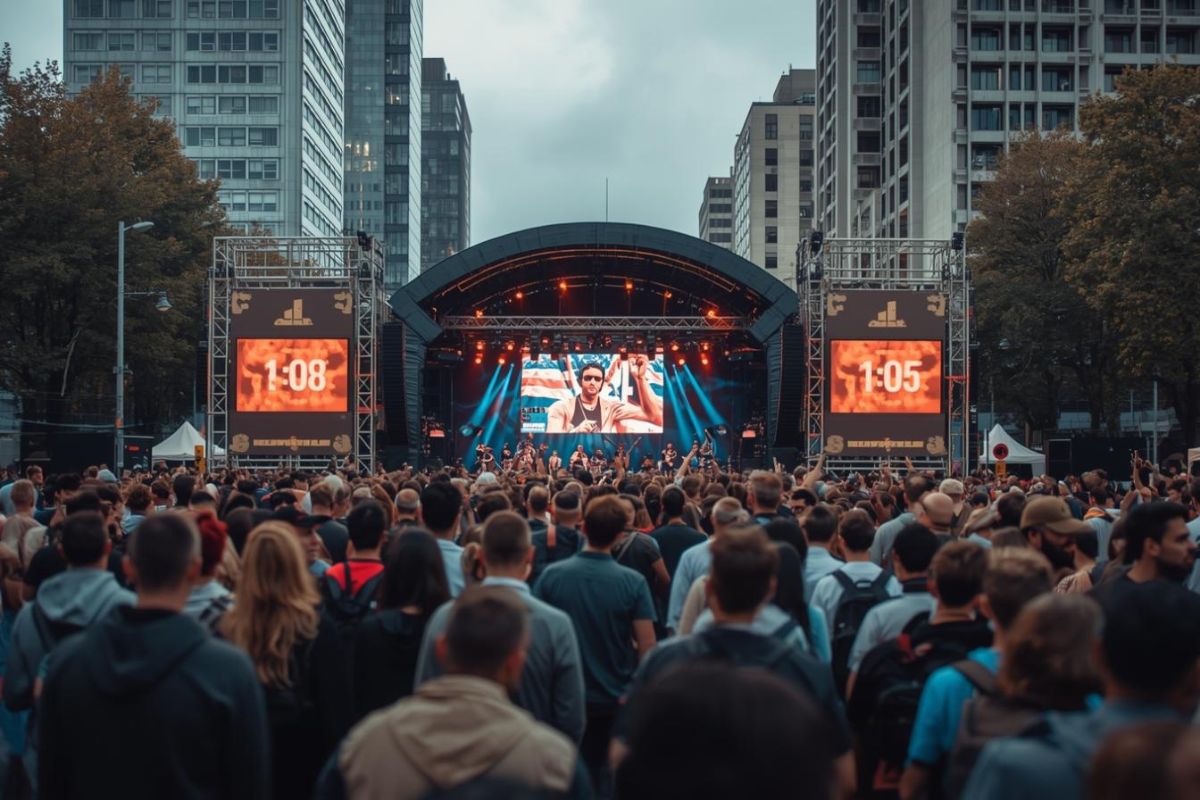
This effect becomes especially visible at events with fixed beginnings. Talks, performances, and guided experiences rely on shared arrival. When attendees see a countdown, they are more likely to arrive together rather than trickle in late. This shared entry builds energy and strengthens the collective mood.
Urban Scale and Micro Timing
Large cities magnify small timing errors. A short delay can mean missing a train or arriving home late. Because of this, urban residents are highly sensitive to start times. They want reassurance that showing up on time matters.
Countdowns provide that reassurance. They communicate that the event will begin as promised. This is particularly important for gatherings held in public or semi public spaces, where people may be unsure how long to linger.
Walking based activities highlight this sensitivity. Participants planning routes through parks or neighbourhoods often rely on precise timing, similar to planning walking tours. A visible countdown confirms that their planning effort aligns with the event schedule.
Numerical Effects Seen on the Ground
Organisers who introduce countdowns often notice tangible changes. These changes are not abstract or theoretical. They show up in how people move and gather.
1) Earlier arrivals increase. People aim to be present before the timer reaches zero rather than sliding in late.
2) Late disruptions drop. Talks and performances begin with fewer interruptions, improving the experience for everyone.
3) Attendance gaps shrink. The difference between those who planned to attend and those who actually appear becomes smaller.
4) Dwell time grows. When people arrive together, they are more likely to stay longer and engage more deeply.
Designing Countdowns That Feel Human
Not every countdown improves attendance. Poorly designed timers can feel aggressive or distracting. The most effective ones feel calm and factual. They support the event rather than compete with it.
Human centered countdowns share a few traits. They are easy to read, clearly placed, and aligned with the event tone. They do not shout or animate unnecessarily. They simply state the truth of time passing.
- High contrast numbers for easy reading
- Accurate syncing with local time
- Placement near key event details
- Minimal visual noise
- Language that matches the event mood
Digital and Physical Spaces Working Together
Urban events now exist across digital and physical spaces. People encounter them online before arriving on site. Countdowns help link these two experiences into one coherent timeline.
Seeing a countdown online encourages timely departure. Encountering the same countdown at the venue confirms that arrival is aligned. This continuity reduces anxiety and builds confidence in the event organisation.
Planning frameworks outlined in event planning often stress the importance of clear scheduling. In dense urban environments, this clarity directly affects satisfaction and participation.
When Countdowns Do Not Help
Countdowns are not universal solutions. Some gatherings benefit from flexibility. Open exhibitions, drop in installations, or casual meetups may not require urgency.
In these cases, rigid timing can feel limiting. Visitors may prefer freedom to come and go. The key lies in matching the tool to the experience. Countdowns work best where shared beginnings matter.
Summary
Key Takeaways
Event countdowns clarify time, reduce uncertainty, and help urban audiences commit. In dense cities, this clarity often leads to stronger attendance and more engaged shared experiences.
Shared Time Shapes Shared Presence
Urban gatherings succeed when people arrive together and ready. Countdowns support this quietly. They respect schedules, ease decisions, and shape anticipation without pressure.
As cities continue to grow denser, the way time is communicated will matter even more. Thoughtful countdowns help events feel intentional and welcoming. They remind people that their time is valued, and that the moment is worth showing up for.