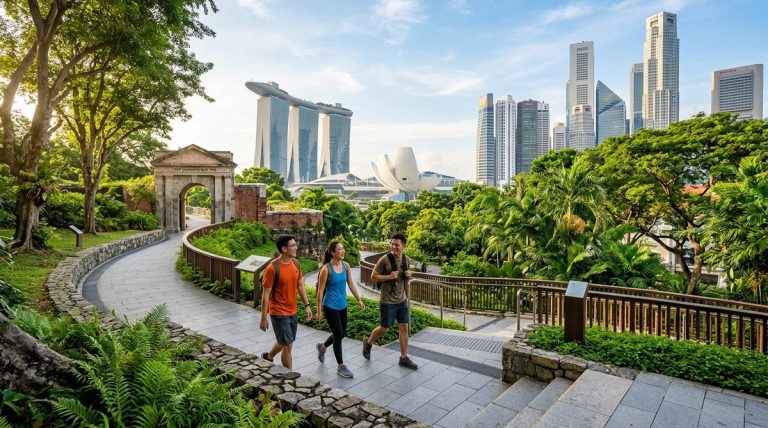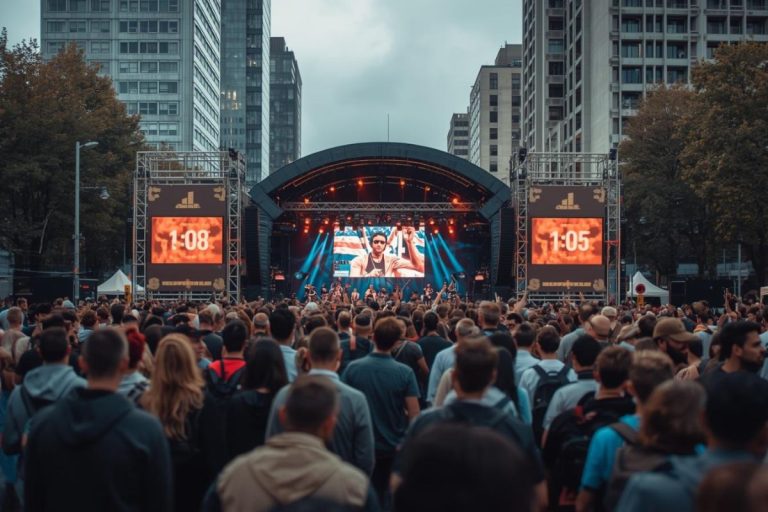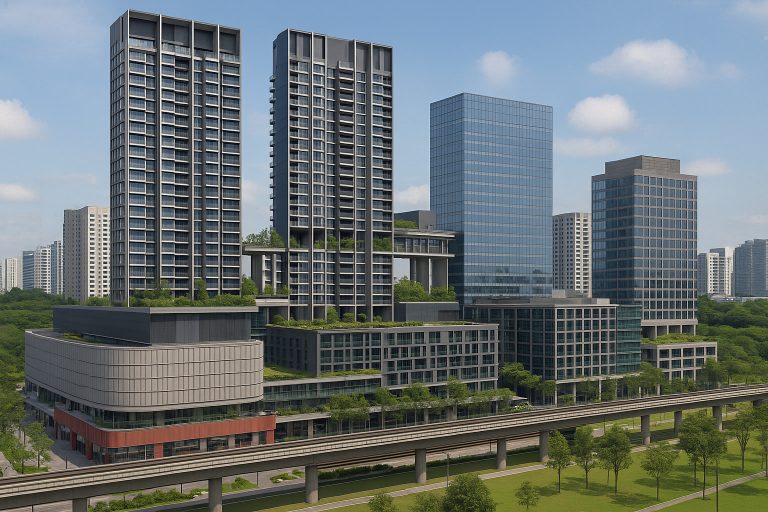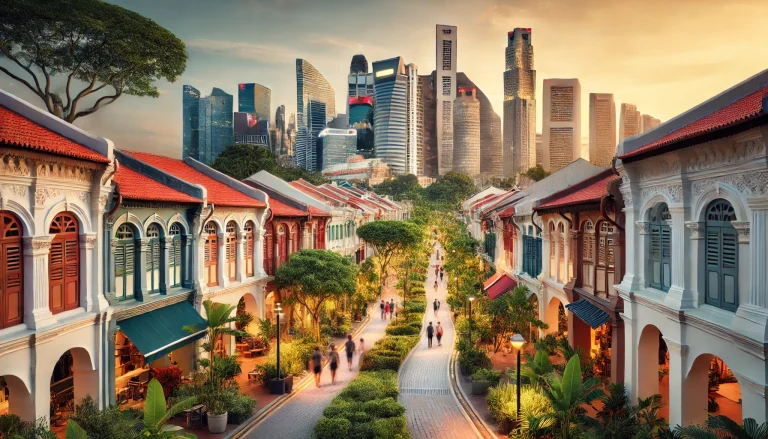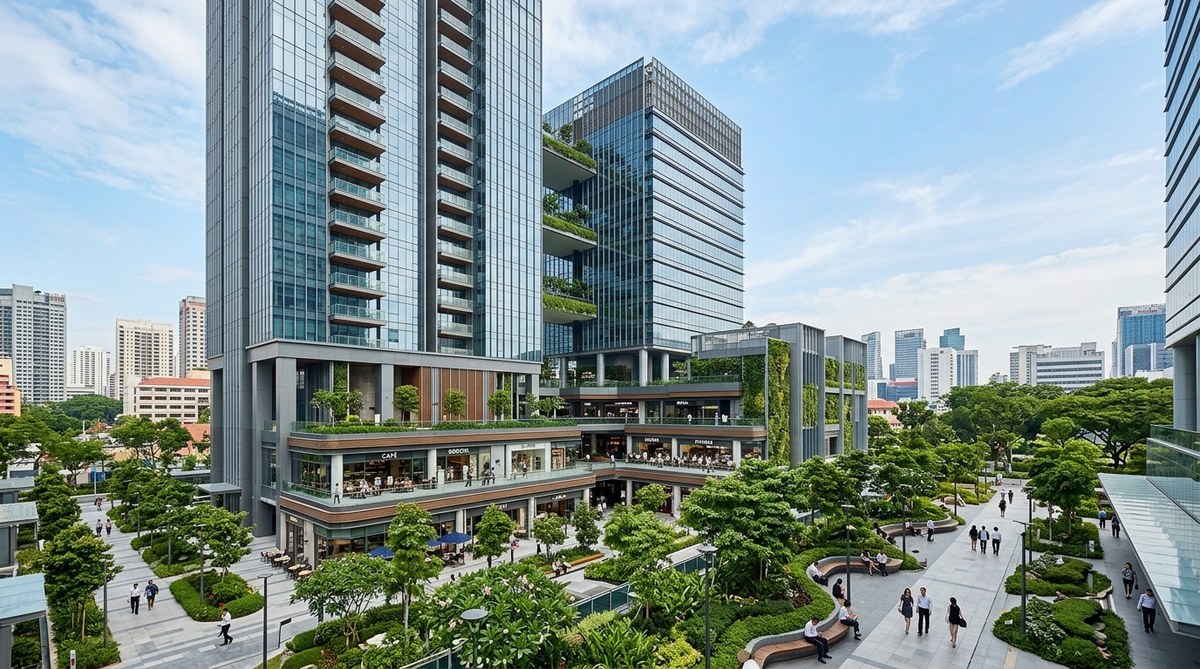
Singapore is a city built on multiple speeds at once. On one corner you have sleek glass towers housing offices, while a short stroll away you might find a hawker center, a boutique hotel, a playground for kids and a leafy courtyard that invites lingering. Mixed use developments are the connective tissue of Singapore’s urban fabric, weaving together homes workplaces retail and public life into walkable, climate aware neighborhoods. For To-Gather.sg readers who love architecture and urban living the story of mixed use is really a story about how cities work. It is about making high density feel human about creating spaces where people meet shop dine and move with ease without jumping in and out of a car every few blocks. This article unpacks what mixed use means in the Singapore context how it is planned and designed and points to standout projects that illuminate the concept in real life.
What are mixed use developments in Singapore
Mixed use developments combine more than one principal function within a single site or cluster. In Singapore that often means residential towers sitting atop or beside office space retail components hotel components and civic or community spaces. The benefits are practical and cultural. Practically speaking they save travel time enable walkability and foster a greater sense of safety through density and animation. Culturally they support Singapores habit of mixing influences cuisines languages and lifestyles within a compact footprint. In urban design terms these developments are often described as integrated developments or mixed use precincts that blend living working and leisure in a single walkable environment.
A Singapore twist on the concept
- Vertical layering is common: offices or hotels on lower levels with residential towers above or adjacent.
- Public realm is elevated: shaded pedestrian streets courtyards and greenery that invite lingering.
- Transit connectivity is central: most mixed use projects sit near MRT stations or major bus corridors to minimize car dependence.
- Culinary and cultural life is baked in: malls food halls hawker spaces and cultural venues sit alongside offices and homes.
- Climate responsive design: shading roofs green terraces water features and natural ventilation are designed to cool outdoor spaces.
- Heritage and modernity coexistence: some developments preserve historic facades and weave them into new uses.
Why Singapore embraces mixed use developments
Singapore aims to build vibrant towns that work like small cities. Mixed use developments help realize this goal by consolidating living working and leisure in neighborhoods so residents can walk or take short rides rather than endure long commutes.
- Walkability and reduced car reliance: dense mixed use precincts shorten trips and make public transport the primary mode of travel.
- Efficient land use: Singapores limited land is optimized when multiple uses share the same footprint.
- Economic vitality: combining offices retail and residences creates 24 hour activity and sustainable demand for local services.
- Social mixing and inclusive spaces: by placing homes next to businesses and public spaces, these developments encourage everyday interactions across different social groups.
- Urban resilience: integrated green spaces and climate aware design help mitigate heat and flood risk while supporting biodiversity.
Key features and design expressions
- Vertical integration: uses stacked to maximize each square meter; residential towers may be perched above or beside offices and retail.
- Public and semi public spaces: plazas courtyards and promenades that invite spontaneous encounters and events.
- Transit oriented development: direct or easy access to MRT lines and bus networks with sheltered routes between uses.
- Retail as social glue: malls and street level shops create daily life and opportunities for casual conversations.
- Green and sustainable design: green roofs gardens rainwater harvesting and energy efficient systems.
- Heritage integration: where possible older buildings or precincts are incorporated rather than demolished creating a layered urban memory.
Planning and policy drivers in Singapore
The Urban Redevelopment Authority (URA) guides Singapores built environment with a focus on liveability resilience and economic vitality. While URA sets broad policy, the actual outcomes emerge in master plans precinct plans and development control guidelines. Mixed use is encouraged as part of many precinct and studio or “integrated development” concepts across the island. In practice this means:
- Proximity to public transport: developments near MRT stations or planned interchange nodes are prioritized for mixed uses.
- Public realm first mindset: generous pedestrian flow spaces and shade are required to ensure comfortable street life.
- Sustainability targets: buildings are expected to meet energy efficiency and, where feasible, district cooling or green infrastructure standards.
- Heritage and culture: adaptive reuse and careful conservation of historic fabric are valued in many sites to preserve memory while providing new uses.
- Community and social vitality: spaces for markets hawker centers and community activities are often embedded in the design.
Transit oriented design and climate considerations
Singapores hot humid climate makes outdoor public spaces a premium. Mixed use schemes frequently feature:
- Covered walkways and wind towers to reduce solar gain
- Shaded courtyards and vertical greenery
- Water features or misting systems in outdoor spaces
- Roof gardens and green terraces that help cool the surrounding blocks
- Integrated parking strategies like underground parking to maximize surface level public space
Notable mixed use developments in Singapore
Below are projects that illustrate how mixed use plays out in Singapores urban landscape. Each example blends living working and leisure in ways that have become defining features of Singapores architecture and urban living.
Marina One
Marina One sits at the heart of the Marina Bay area and is a flagship example of integrated development. The project brings together two residential towers and two office towers with a large retail complex and hospitality options. Its design emphasizes open green spaces and a strong connection to the Marina Bay waterfront. The development also features district cooling providing sustainability benefits and an aesthetically striking podium garden that acts as a social hub. For residents it offers easy access to two major MRT stations and a vibrant mixed use environment that supports daily life from morning workouts to evening strolls and weekend shopping.
- What makes it work: a balanced mix of uses anchored by transit access and a green central spine.
- Living experience: comfortable pedestrian scale at street level with shops and eateries creating daily life and the possibility of spontaneous encounters.
- Considerations: as one of the early large scale mixed use precincts in Singapore it set a benchmark for future projects and demonstrated the value of a connected public realm.
South Beach
South Beach is another iconic example where heritage preservation meets modern mixed use. The development integrates hotels offices and residential spaces with a retail promenade and a prominent arts and cultural dimension. Its design preserves the historic Beach Road precinct while layering new towers and a contemporary podium along the coastline.
- What makes it work: seamless blend of old and new with a pedestrian friendly retail spine.
- Living experience: a cosmopolitan environment with easy access to cultural venues and the citys business district.
- Considerations: the scale can feel intense, but careful landscape and shading design keep streets usable during hot months.
Paya Lebar Quarter (PLQ)
PLQ is a three tower office complex complemented by a substantial retail component and residences. Located near the Paya Lebar MRT interchange, PLQ is a classic TOD example where office spaces feed weekday activity while the mall and later residential components sustain evening life.
- What makes it work: proximity to multiple transit lines and a well integrated retail mall that anchors the precinct.
- Living experience: for residents the nearby shopping and dining options create a complete live-work circuit.
- Considerations: continued infrastructure maintenance and pedestrian flow management are essential as the precinct grows.
CapitaSpring
CapitaSpring is a newer addition that exemplifies multi use with office spaces serviced by a hotel and retail elements, all wrapped by a dramatic public garden on several levels. Its rooftop garden and sky terrace offer a contemplative retreat in the heart of Raffles Place.
- What makes it work: a strong vertical mix with a high quality public realm at multiple levels.
- Living experience: not just a place to work but a destination for dining and leisure with a distinctive garden experience.
- Considerations: centers on creating a sense of place in a dense core urban area where space is premium.
The Interlace
The Interlace is a different take on mixed use that emphasizes community oriented design. This large residential precinct is organized around courtyards and shared facilities rather than a single retail podium. It demonstrates that mixed use can be achieved through distributed amenities and a strong sense of community, even if retail is not the main driver.
- What makes it work: an emphasis on sociability and accessibility to amenities across a broad residential programme.
- Living experience: a human scale with generous outdoor spaces that foster social life.
- Considerations: given its age it shows how long term value depends on gardens and communal facilities that endure.
Jewel Changi Airport
Jewel is a city within a city around Changi Airport that blends transit shopping leisure and hospitality. Its identity is anchored in a forest valley and immersive experiences from attractions to dining. While not a traditional urban neighborhood, Jewel demonstrates the power of integrated design at a global gateway and how such spaces extend the idea of mixed use to the airport precinct.
- What makes it work: a strong draw for both travelers and locals with a breathtaking experiential core.
- Living experience: not a home base but a daily destination that enhances the airport experience and Singapores brand as a gateway city.
- Considerations: its success depends on ongoing programming and careful management of crowds and mobility.
Marina Bay Sands and Other Integrated Icons
Singapores integrated icons like Marina Bay Sands have redefined what it means to mix hotel, conference, casino, retail and dining in a single block. While not a typical residential mixed use project, these developments illustrate the ambition and complexity of integrated urban experiences and how such models influence later precinct designs.
- What makes it work: premium brands and world class facilities create a lasting destination.
- Living experience: mostly commercial and hospitality oriented but they influence surrounding neighborhoods toward more mixed use patterns.
- Considerations: comparison to residential driven schemes highlights differences in user experience and lifestyle priorities.
How to evaluate a mixed use development as a home buyer or investor
If you are considering a home purchase or an investment in a mixed use project, here are practical criteria to assess:
- Location and transit access
- Proximity to MRT stations and bus lines
- Walkability to everyday amenities like supermarkets and clinics
- Balance of uses
- Is there a comfortable blend of residential with retail and office or hotel components
- Are there public spaces designed for community life
- Public realm quality
- Shaded streets courtyards and plazas
- Landscape design that stands up to Singapore climate
- Accessibility and safety
- Pedestrian routing clear and intuitive
- Night life and daytime activity rhythms that feel safe
- Sustainability features
- Energy efficiency water management and green roofs
- District cooling if available or other energy saving initiatives
- Heritage integration
- Any preserved historic elements and how they are repurposed
- Community and culture
- Presence of hawker zones markets and culturally vibrant spaces within the precinct
- Long term value and maintenance
- Management of common spaces and community programming
- Plans for upgrades and renovations and how they impact fees and enjoyment
Neighbourhood evolution and the interplay of culture
Mixed use developments do more than house people and businesses. They influence how neighborhoods evolve over time. In Singapore these precincts often become hubs where different cultures intersect through food markets, pop up events and shared public spaces. You will notice:
- Diverse culinary scenes that reflect Singapores multicultural palate
- Regular public events from art installations to farmers markets to community celebrations
- New transportation options that connect to other neighborhoods expanding the reach of a previously local area
- Gentrification dynamics that bring investment but also pressure on traditional residents and hawker heritage
For architecture and urban living enthusiasts it is exciting to watch how a single site can ripple through a larger district shaping land use patterns and how people experience daily life in the city.
Looking ahead: future trajectories for Singapore mixed use
Singapore continues to push for better integrated precincts that combine green design with practical daily living. Expect developments that:
- Push even closer to MRT nodes and bus corridors
- Emphasize climate resilience with shade canopying and water management
- Develop flexible uses that adapt to changing work patterns including hybrid work and experiential retail
- Preserve historical fabric while enabling new energy efficient facilities
- Integrate cultural programs and hawker heritage directly into the public realm
Practical takeaways for residents and visitors
- When choosing a home or a rental in a mixed use development think about daily routines: where are you likely to shop eat and exercise?
- Consider the outdoor spaces and how often you expect to use them. A great common plaza or garden can dramatically improve everyday life.
- If you work from home or have flexible hours, look for precincts where office hours do not overwhelm residential quietness and where amenities support lifestyle needs.
- For investors the vitality of a precinct and the quality of public realm tend to correlate with long term value. A well connected sustainable development tends to outperform others over time.
Final reflections
Singapores mixed use developments are more than just architectural trends. They are deliberate experiments in urban living designed to enhance walkability reduce car reliance and strengthen community life. By combining homes workplaces shopping and public spaces under one roof these projects create legitimate neighborhoods rather than isolated towers. The best examples maintain a sense of place while embracing modern needs and sustainability. For architecture and urban living enthusiasts To-Gather.sg will keep tracking how these precincts evolve what new designs emerge and how Singapore continues to innovate within the constraints and opportunities of a dense tropical city. Whether you are strolling through Marina One southwards to PLQ or admiring CapitaSpring’s garden terraces these spaces remind us that the city itself can be a carefully edited landscape where daily life is part of the architecture.