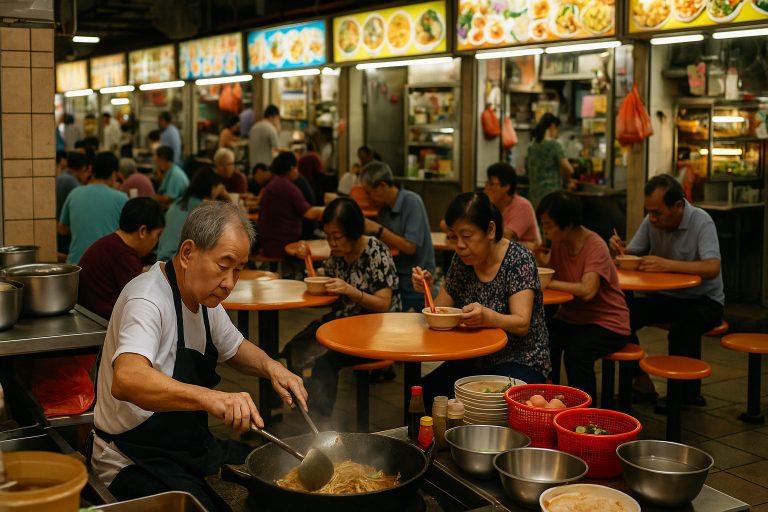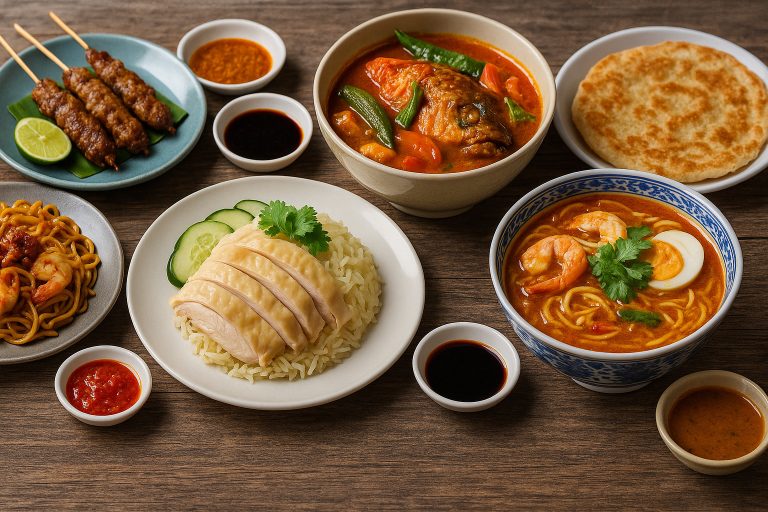
The smell hits you first. That deep, smoky wave of sambal frying in a hot wok, the sweetness of crab tossed in a glossy chilli sauce, the sizzle of stingray wrapped in banana leaf hitting the grill. If you grew up eating at hawker centres, that sensory memory is practically coded into you. And for a long time, most of us believed those flavours could only exist at the kopitiam plastic table, under a corrugated roof, in a rush of humid air and clinking plates. That is not true anymore. With the right approach, a solid home kitchen setup, and the patience to learn the building blocks, the hawker classics you crave most are absolutely within reach.
Your Hawker Kitchen Cheat Sheet
- Most hawker seafood dishes rely on a handful of core pastes and sauces you can prep in advance.
- A cast iron pan or carbon steel wok handles the high-heat cooking that defines these dishes.
- Fresh seafood from a wet market beats anything pre-frozen, every time.
- Carb bases like bee hoon and vermicelli are just as important as the seafood itself.
- Recipes, community stories, and cultural context are all part of the hawker experience worth preserving at home.
Why Hawker Flavours Feel Impossible to Copy
The honest answer is wok hei. That charred, slightly smoky depth you taste in a perfectly executed plate of chilli crab or sambal stingray does not come from ingredients alone. It comes from fire. Commercial hawker stalls use burners that push out heat levels a standard home gas hob cannot match. The wok gets so hot that moisture evaporates almost instantly, proteins caramelise fast, and aromatics toast in seconds rather than minutes.
That gap in heat output has made many home cooks give up before they even start. But there is a workaround that works well: preheating your wok or cast iron pan as long as possible before anything goes in. Use the highest flame your hob allows. Cook in smaller batches so the temperature does not drop when you add cold ingredients. These adjustments close about 80 percent of the gap between home cooking and hawker-level results.
The other factor people underestimate is layering. Hawker uncles and aunties have cooked their signature dishes thousands of times. They know exactly when to add each ingredient, when to deglaze, when to pull back the heat. That instinct develops through repetition. Your first attempt at har cheong gai might not match the version at your favourite stall. Your fifth attempt will be a lot closer. Your tenth will be something you are genuinely proud of.
Three Dishes to Start With
Not every hawker seafood dish is equally forgiving for home cooks. Some require live seafood that is hard to source, others need specialised equipment. These three are the ideal starting points because they teach the core techniques and deliver serious flavour payoff.
Chilli Crab
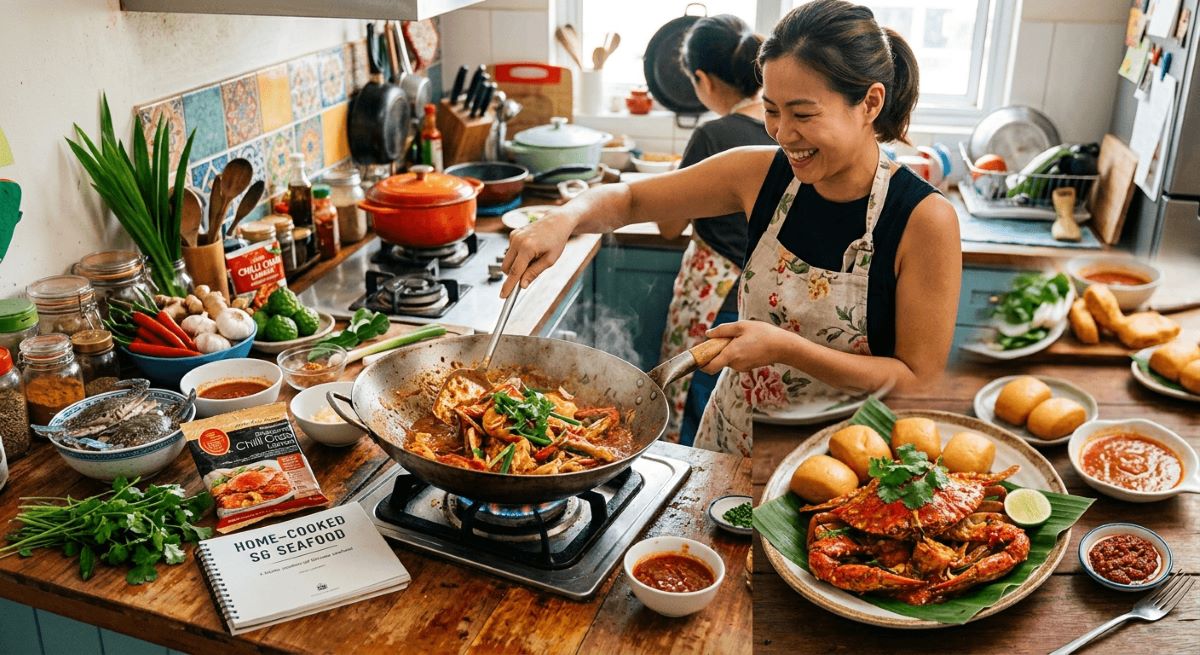
This is Singapore’s most recognised dish for a reason. A good mud crab in a sticky, tangy, slightly sweet tomato and chilli gravy is difficult to argue with. At home, the key is making your own rempah first. Blend shallots, garlic, fresh red chillies, and a small amount of dried shrimp paste into a smooth paste. Fry that paste in oil until it is deeply fragrant and slightly darkened. Add your crab pieces, then build the sauce around it with tomato paste, egg, and a splash of rice wine.
Buy your crab live from a wet market if you can. Ask the fishmonger to clean and chop it for you. The freshness makes a significant difference to the final flavour. Frozen crab can work in a pinch, but the texture of the meat will be slightly softer.
Sambal Stingray
This dish is deceptively simple and produces extraordinary results at home. The banana leaf presentation is not just aesthetic. It steams the fish from below while the sambal caramelises on top, creating two textures in one bite. If you want to get close to the grilled version, place your banana-leaf-wrapped stingray under a high grill or on a cast iron pan with a lid. The sambal you use matters enormously. A blended mix of dried chillies, belacan, shallots, and a pinch of sugar, cooked down until slightly jammy, is the base. Spread it generously over the fillet.
Sambal stingray is also one of those dishes where To-Gather SG has documented some genuinely moving community stories, particularly around the older generation of hawkers who perfected their recipes over decades. It is worth reading those stories before you cook, not as a recipe guide, but as context for what you are trying to honour in your kitchen.
Har Cheong Gai
Prawn paste chicken is technically a poultry dish, but it belongs firmly in the seafood-adjacent category of Singapore hawker cooking because fermented prawn paste (har cheong) is the defining flavour. The paste, combined with sesame oil, oyster sauce, and a little sugar, acts as a marinade. The chicken pieces need at least four hours in it, ideally overnight. Coat in batter and deep fry until the skin is crackled and dark. The smell when you lift the lid on that first batch will tell you immediately whether you nailed the marinade.
Building Your Flavour Arsenal Before You Cook
One of the most practical things you can do is build a small pantry of hawker staples before you attempt any of these recipes. The prep time for each dish drops significantly once you have the foundations in place.
- Belacan (shrimp paste): Dry-fry a block until fragrant and crumbled. Store in an airtight container. It keeps for weeks and goes into almost every sambal.
- Dried chillies: Soak in hot water, blend, and freeze in portions. This is your sambal base ready to go.
- Shallots and garlic: Always have these fresh. The frozen version loses too much flavour.
- Coconut milk: For richer curries and some prawn dishes, full-fat coconut milk from a can is fine.
- Oyster sauce and fish sauce: These two add the umami foundation to most hawker sauces.
- Palm sugar: Adds a rounded sweetness that white sugar does not replicate well.
- Fresh curry leaves: For dishes that call for a South Indian influence, like butter prawn.
Once these ingredients are stocked, the actual cooking time for dishes like sambal stingray or chilli crab drops to 30 to 40 minutes. The long part was always the prep work, and pre-made components cut through that significantly.
The Wok Situation: What You Actually Need
You do not need to buy expensive equipment to cook hawker food at home. A flat-bottomed carbon steel wok or a well-seasoned cast iron pan will serve you well. Round-bottomed woks are designed for commercial gas rings and will wobble on a flat domestic hob.
Season your wok properly before first use. Heat it empty until it smokes, add a thin coat of oil, let it cool, wipe clean, and repeat two or three times. This creates the non-stick layer that prevents ingredients from sticking and burning during high-heat cooking. A well-seasoned wok also contributes its own subtle flavour to dishes over time.
For sambal stingray specifically, a cast iron grill pan works extremely well. The heavy base holds heat steadily, which means your sambal gets that slightly caramelised edge without burning before the fish cooks through.
A Step-By-Step Approach to Your First Hawker Cook-Off at Home
- Choose one dish to master first. Trying to cook three hawker dishes simultaneously in a home kitchen will overwhelm you. Pick sambal stingray as your first because the method is forgiving and the results are impressive.
- Make your sambal the day before. Freshly made sambal that has rested overnight deepens considerably in flavour. The chillies mellow, the belacan integrates, and the sweetness balances.
- Source your seafood on the day you cook. Wet markets like Tiong Bahru or Tekka sell fish that was moving this morning. Do not compromise on this.
- Prep all your components before you heat the wok. Once the heat is on, things move fast. Have every sauce, spice, and ingredient measured, chopped, and ready in separate bowls.
- Cook hotter than feels comfortable. Most home cooks instinctively pull back on heat. Resist that. Let the wok smoke a little. That is where the flavour lives.
- Taste constantly and adjust. Hawker dishes are not rigid formulas. They are living recipes that shift based on your crab’s sweetness, your chilli’s heat level, your tamarind’s acidity. Season as you go.
- Rest and plate with intention. Chilli crab served in the wok it was cooked in, with mantou on the side, looks exactly right. Presentation is part of recreating the experience.
The Carbs That Anchor the Table
No hawker seafood spread is complete without the right carb pairing. This is not an afterthought. The bee hoon soaked in prawn stock underneath a plate of sambal prawns, the fried rice alongside butter crab, the steamed vermicelli that catches every drop of chilli crab sauce. These elements complete the plate.
Bee hoon (rice vermicelli) is the most versatile. You can fry it, braise it in a claypot, or serve it plain as a neutral base. It absorbs flavour from whatever sauce surrounds it without competing. For home cooks building out a proper hawker spread, starting to explore rice noodle dishes across different traditions gives you a strong sense of technique and proportion. The same principles that govern a good Italian pasta dish apply to bee hoon: the noodle should finish cooking in the sauce, not separately.
Steamed white rice works well with wetter dishes like chilli crab where the gravy needs something to cling to. Choose jasmine rice and cook it slightly firmer than usual so it does not turn to mush when the sauce hits it.
Freshness, Sourcing, and the Wet Market Advantage
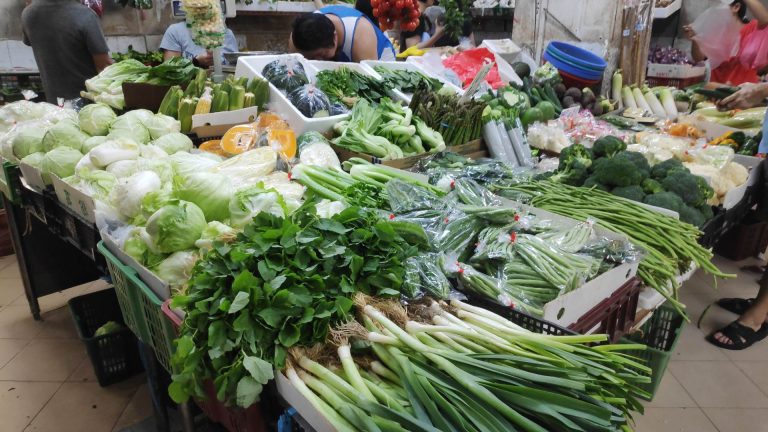
Singapore home cooks have an enormous advantage that counterparts in other countries do not. Fresh seafood is genuinely accessible here. Mud crabs arrive live. Stingray is cut to order. Prawns are sold with their heads still on, which is where the deepest flavour is.
Build a relationship with your wet market fishmonger. Tell them what you are cooking. Ask which fish came in today. Let them recommend the best option rather than insisting on a specific species. A skilled fishmonger who knows you are making sambal will steer you toward the right cut and thickness without being asked.
For those who are still building their cooking confidence and want a broader reference point beyond hawker staples, the range of seafood dishes available across different cuisines offers useful technique parallels. The way a European cook handles butter and shallots with shellfish translates into skills that sharpen your instinct for timing and heat when you return to your sambal.
Keeping the Hawker Spirit Alive in Your Kitchen
There is something beyond technique that matters when you try to bring hawker food home. These dishes carry weight. They are tied to specific stalls, specific people, specific childhood memories. The aunty who has been ladling chilli crab gravy since before you were born puts something into her dish that no recipe can fully capture.
That is not a reason to stop trying. It is a reason to cook with attention. To notice what the smell of frying belacan does to the air in your kitchen. To pay attention to the way the egg ribbons form when you pour it into hot crab sauce. To share the results with people who remember the same hawker centre you do.
Hawker food survived because people kept cooking it, kept eating it, and kept passing it on. The home kitchen is just another link in that chain. Every time you nail a sambal or crack the code on a decent har cheong gai batter, you are doing something genuinely meaningful for the food culture you grew up in. The stall uncle would probably approve.